
Fabrication vs. Welding: Understanding the Difference

When it comes to metalworking, two terms often come up: fabrication and welding. While these processes are related and often go hand-in-hand, they're not the same thing. Understanding the distinction between these two is crucial, especially when you're considering a project that involves metalwork. Let's dive into what each entails and how they differ.
What is Welding?
Welding is a specific technique used to join two or more pieces of metal together. This process involves melting the base metals and often adding a filler material to create a strong, permanent bond. There are various welding methods, including:
1. MIG (Metal Inert Gas) Welding
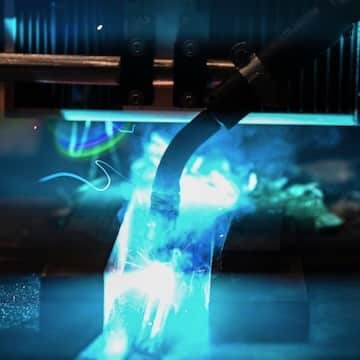
MIG welding is a versatile technique where a wire electrode is fed through a welding gun, creating an arc that melts the wire and base metal, forming a weld pool.
2. TIG (Tungsten Inert Gas) Welding
TIG welding uses a non-consumable tungsten electrode to produce the weld. This method is known for its precision and is ideal for thin materials and non-ferrous metals like aluminum and copper.
3. Stick Welding
Stick welding, or shielded metal arc welding (SMAW), involves a consumable electrode coated in flux. It's a reliable and cost-effective method, suitable for outdoor and windy conditions.
4. Flux-Cored Welding
Flux-cored welding is similar to MIG welding but uses a special tubular wire filled with flux. This method is great for welding thicker materials and can be used without an external shielding gas.
Welders focus on creating strong, durable joints between metal pieces. It's a crucial skill in metalworking, but it's just one part of the larger fabrication process.
What is Fabrication?
Fabrication, on the other hand, refers to the entire process of creating a metal product from start to finish. It's a broader term that encompasses multiple steps and techniques, including:
1. Design and Planning
The fabrication process begins with design and planning. Fabricators interpret blueprints and develop a detailed plan to create the final product.
2. Cutting and Shaping Metal
Fabricators use various tools and machines, such as shears, saws, and CNC machines, to cut and shape metal according to the design specifications.
3. Forming and Bending
In this stage, metal pieces are formed and bent into the desired shapes using press brakes and other specialized equipment.
4. Assembly
Fabrication involves assembling the cut and shaped pieces into a coherent structure, often requiring precise alignment and fitting.
5. Welding
Welding is an integral part of the fabrication process, used to join the assembled parts together securely.
6. Finishing and Painting
The final step in fabrication includes finishing touches such as grinding, polishing, and painting to enhance the product's appearance and durability.
Fabricators oversee the entire manufacturing process, from interpreting blueprints to delivering the final product. They use a variety of tools and machines, in addition to welding equipment, to achieve the desired outcome.
Key Differences
1. Scope
Welding is a specific task within the broader fabrication process. All welding is a form of fabrication, but not all fabrication involves welding.
2. Skills Required
Welders need to be experts in joining metals, while fabricators need a broader skill set that includes reading blueprints, operating various machines, and understanding different metalworking techniques.
3. End Product
Welding typically results in joined metal pieces, while fabrication results in a complete, often complex product.
4. Design Involvement
Welders usually work from existing plans, while fabricators may be involved in the design process and problem-solving throughout the project.
5. Customer Interaction
Fabricators often work more closely with customers to understand their needs and make adjustments throughout the process.
When to Use Each
You might need a welder when:
Repairing a broken metal item
Joining two pieces of metal together
Adding reinforcement to an existing structure
You might need a fabricator when:
Creating a custom metal product from scratch
Building complex structures or machinery
Needing expertise across multiple metalworking techniques
In many metal shops, you'll find both fabricators and welders working together. Fabricators may do their own welding or work closely with specialized welders to complete projects.
Understanding the difference between fabrication and welding can help you better communicate your needs when working on a metal project. Whether you need a simple weld or a fully fabricated product, knowing these distinctions ensures you'll find the right professional for the job. At J&M Welding, welding and fabrication happen under one roof, so a single shop can take a job from cut list to finished assembly. Contact us today to discuss your project.
Comments